Traveller and scholar Leo Africanus was born in Spain during the late fifteenth century. His education in Morrocco and travels to North and West Africa during the sixteenth century informed -- at least partially -- The History and Description of Africa, which was published in 1550. The History and Description of Africa was considered by Europeans to be the essential text about the African continent for four centuries, and Leo Africanus the essential expert on Africa and Islam.
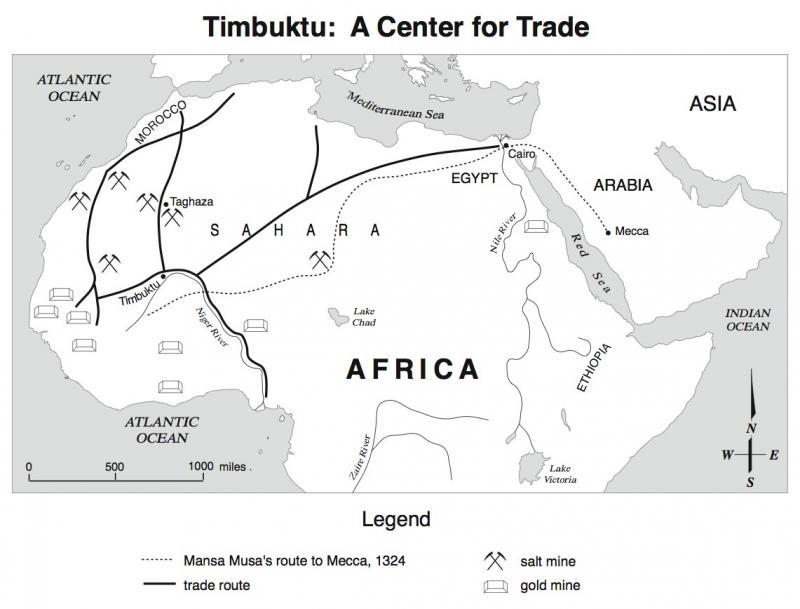
One of the cities written about by Leo Africanus was the West African city of Timbuktu, located in present day Mali. Timbuktu was the center of the trans-Saharan trade route and was central to the spread of Islam throughout Africa from the 13th to 16th centuries. Because of Leo Africanus' portrayal of Timbuktu, the city was long considered fantastic, somewhere at the "uttermost end of the Earth," by Europeans.
The following are abridged excerpts from Africanus' The History and Description of Africa where he describes the historic city of Timbuktu. To view the original language, please visit Internet Archive's digital version of Africanus' 1896 edition.
The name of this kingdom is a modern one, after a city which was built by a king named Mansa Suleyman in the year 610 of the hegira [1232 CE] around twelve miles from a branch of the Niger River.
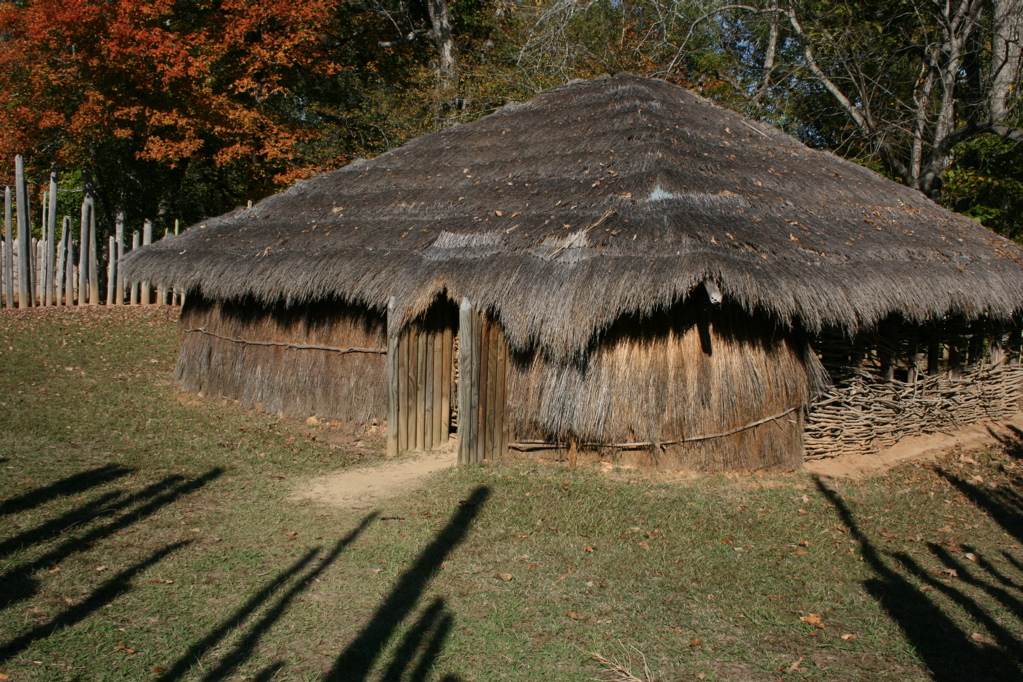
The houses of Timbuktu are huts made of clay-covered wattles with thatched roofs. In the center of the city is a temple built of stone and mortar, built by an architect named Granata, and in addition there is a large palace, constructed by the same architect, where the king lives. The shops of the artisans, the merchants, and especially weavers of cotton cloth are very numerous. Fabrics are also imported from Europe to Timbuktu, borne by Berber merchants.
The women of the city maintain the custom of veiling their faces, except for the slaves who sell all the foodstuffs. The inhabitants are very rich, especially the strangers who have settled in the country; so much so that the current king has given two of his daughters in marriage to two brothers, both businessmen, on account of their wealth. There are many wells containing sweet water in Timbuktu; and in addition, when the Niger is in flood canals deliver the water to the city. Grain and animals are abundant, so that the consumption of milk and butter is considerable. But salt is in very short supply because it is carried here from Tegaza, some 500 miles from Timbuktu. I happened to be in this city at a time when a load of salt sold for eighty ducats. The king has a rich treasure of coins and gold ingots. One of these ingots weighs 970 pounds.
The royal court is magnificent and very well organized. When the king goes from one city to another with the people of his court, he rides a camel and the horses are led by hand by servants. If fighting becomes necessary, the servants mount the camels and all the soldiers mount on horseback. When someone wishes to speak to the king, he must kneel before him and bow down; but this is only required of those who have never before spoken to the king, or of ambassadors. The king has about 3,000 horsemen and infinity of foot-soldiers armed with bows made of wild fennel which they use to shoot poisoned arrows. This king makes war only upon neighboring enemies and upon those who do not want to pay him tribute. When he has gained a victory, he has all of them—even the children—sold in the market at Timbuktu.
Only small, poor horses are born in this country. The merchants use them for their voyages and the courtiers to move about the city. But the good horses come from Barbary. They arrive in a caravan and, ten or twelve days later, they are led to the ruler, who takes as many as he likes and pays appropriately for them.
The king is a declared enemy of the Jews. He will not allow any to live in the city. If he hears it said that a Berber merchant frequents them or does business with them, he confiscates his goods. There are in Timbuktu numerous judges, teachers and priests, all properly appointed by the king. He greatly honors learning. Many hand-written books imported from Barbary are also sold. There is more profit made from this commerce than from all other merchandise.
Instead of coined money, pure gold nuggets are used; and for small purchases, cowrie shells which have been carried from Persia, and of which 400 equal a ducat. Six and two-thirds of their ducats equal one Roman gold ounce.
The people of Timbuktu are of a peaceful nature. They have a custom of almost continuously walking about the city in the evening (except for those that sell gold), between 10 PM and 1 AM, playing musical instruments and dancing. The citizens have at their service many slaves, both men and women.
The city is very much endangered by fire. At the time when I was there on my second voyage, half the city burned in the space of five hours. But the wind was violent and the inhabitants of the other half of the city began to move their belongings for fear that the other half would burn. There are no gardens or orchards in the area surrounding Timbuktu.
Primary Source Citation:
Africanus, Leo, n al-Hasan ibn Muhammad al-Wazzan al-Fasi, a.k.a. Leone Giovanni. The History and Description of Africa. Translated by John Pory. Edited by Robert Brown. London: Printed for the Hakluyt Society, 1896. Available online courtesy of the Internet Archive. https://archive.org/details/historyanddescr01porygoog/page/n8